
What Are the Best Diets for Weight Loss?
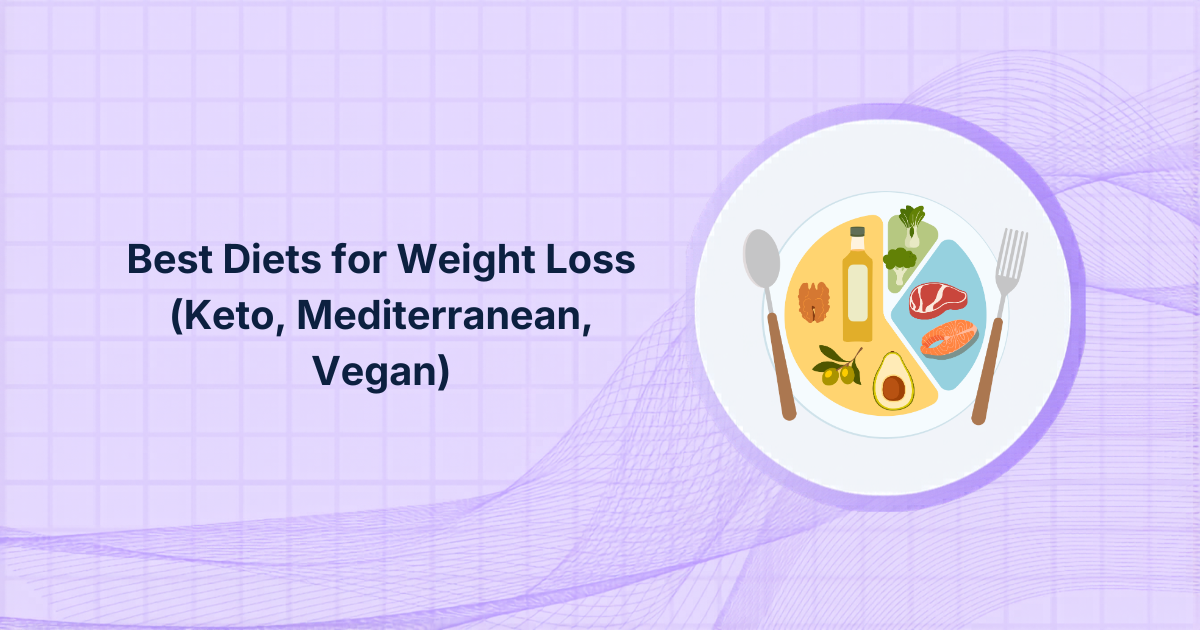
Choosing the absolute best diets for weight loss requires creating a steady daily calorie deficit alongside optimal nutrient intake. The ketogenic (keto) diet works by cutting down carbohydrates so the body starts using stored fat for energy. The Mediterranean diet focuses on balanced eating with lean proteins, whole grains, and healthy fats, supporting long-term heart health. The vegan diet removes all animal products, which often increases fibre intake and can naturally lower overall calorie intake. According to the American Heart Association (2023), selecting a sustainable nutritional plan permanently prevents frustrating rebound weight gain.
What Are the Core Principles of These Diets?
Understanding exactly how these specific nutritional protocols help individuals achieve sustainable body fat reduction effortlessly.
The Ketogenic (Keto) Diet
The ketogenic diet focuses on eating a very high amount of fat, moderate protein, and keeping carbohydrates very low, usually under 50 grams a day.
Triggering Ketosis: Severe carbohydrate restriction forces the human liver to produce ketones (fat-derived energy molecules).
Suppressing Appetite: High dietary fat intake significantly delays stomach emptying, preventing intense midday sugar cravings.
Rapid Initial Loss: The ketogenic diet causes immediate water weight reduction as the body depletes stored muscle glycogen (stored sugar).
The Mediterranean Diet Approach
The Mediterranean diet mimics the traditional eating habits of countries bordering the Mediterranean Sea, offering incredible dietary flexibility.
Focusing on Whole Foods:
The Mediterranean diet prioritizes fresh vegetables, nuts, seeds, and abundant extra virgin olive oil.
Prioritizing Lean Proteins:
Individuals consume substantial amounts of fresh fish and poultry while strictly limiting processed red meat.
Improving Heart Health:
High omega-3 fatty acid consumption actively reduces harmful cellular inflammation and lowers blood pressure naturally.
The Plant-Based Vegan Diet
The vegan diet strictly prohibits consuming any animal-derived ingredients whatsoever, including dairy, cheese, chicken eggs, and all animal meats.
Increasing Dietary Fiber:
Plant-based foods are rich in fibre, which helps you feel full for longer and manage hunger more easily.
Lowering Caloric Density:
Fresh vegetables and legumes naturally contain far fewer daily calories than processed cheese or fatty meats.
Optimizing Digestion:
Vegan diets promote a highly diverse gut microbiome (beneficial stomach bacteria), which actively improves daily nutrient absorption.
Dietary Comparison Table
How to Choose the Optimal Weight Loss Diet
Selecting the perfect nutritional lifestyle prevents severe dietary burnout. Follow these precise steps to properly evaluate your dietary needs.
Analyze Your Current Habits:
Take a moment to look at your current eating habits and be honest about what you naturally prefer, whether that is high-fat meals or more plant-based foods.
Review Medical Conditions:
Consult a physician to ensure the chosen nutritional plan does not affect existing thyroid conditions or blood insulin levels negatively.
Check Lifestyle Demands:
Evaluate if your weekly grocery budget and daily cooking time support preparing intricate keto or vegan recipes.
Implement Gradual Changes:
Start by slowly cutting down on heavily processed foods, then gradually move towards a healthier and more structured way of eating, like the Mediterranean diet.
Monitor Energy Levels:
Track physical workout performance weekly to confirm the new diet supplies adequate raw cellular energy.
Conclusion
The key to selecting the best diet for weight loss is what you can safely and consistently stick to over time. The keto diet can lead to quick weight loss at the start, the Mediterranean diet offers a more balanced and heart-friendly way of eating, and a well-planned vegan diet can support steady, long-term weight management while improving overall health. Instead of chasing quick results, it is more important to focus on eating nutritious foods, managing portions, and choosing an approach you can stick with over time. If you are unsure which approach suits your health needs or medical conditions, consult with a healthcare professional online for a personalised and sustainable weight loss strategy.