
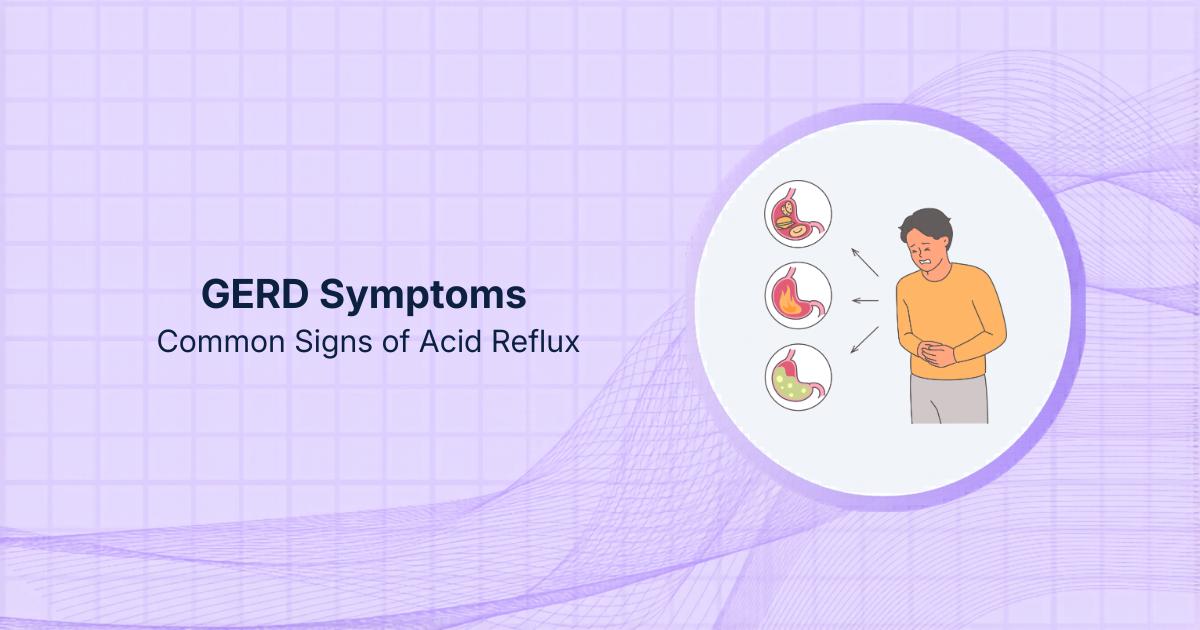
What Are Symptoms of GERD?
Gastroesophageal reflux disease (GERD) is a chronic condition in which stomach contents repeatedly flow back into the esophagus, the tube connecting the throat to the stomach. According to the National Institute of Diabetes and Digestive and Kidney Diseases (NIDDK), GERD is defined by symptoms occurring two or more times per week, or by reflux causing measurable damage to the esophageal lining.
GERD affects approximately 18 to 28% of adults in North America, making it one of the most common gastrointestinal conditions worldwide, per PMC (2018). While heartburn is the most recognized symptom, GERD produces a much broader range of signs, including several that affect the throat, lungs, and even teeth, without any chest discomfort at all.
How GERD Differs From Occasional Acid Reflux
Occasional reflux is very common, and nearly half of all adults experience it at some time, usually after a large meal, fatty foods, alcohol, or lying down after a meal eaten some time earlier. The major differences between the two are:
- Heartburn or regurgitation occurring two or more times per week
- Symptoms that persist despite over-the-counter antacids or dietary changes
- Symptoms that disrupt sleep, affect quality of life, or occur without obvious dietary triggers
- Evidence of tissue damage in the esophagus was confirmed on endoscopy
The underlying cause in both cases is the same: a weakened or inappropriately relaxed lower esophageal sphincter (LES), the ring of muscle at the junction of the esophagus and stomach that normally prevents stomach contents from flowing upward.
The Two Primary Symptoms of GERD
Heartburn
Heartburn is a burning sensation in the chest that radiates toward the mouth as a result of acid reflux into the esophagus. It is typically felt behind the breastbone and can range from mild warmth to an intense, searing discomfort that mimics cardiac pain.
Heartburn in GERD tends to follow recognizable patterns:
- Worsens after eating, particularly large or fatty meals
- Worsens when lying down or bending forward, as gravity no longer assists in keeping stomach contents down
- It is most severe at night, often waking the person from sleep
- Improves temporarily after antacids or drinking water
Regurgitation
Regurgitation is the effortless return of stomach contents into the throat or mouth, producing a sour, bitter, or acidic taste. Unlike vomiting, it involves no nausea or retching. Regurgitation may cause a person to taste food or stomach acid.
The combination of heartburn and regurgitation is such a common characteristic of GERD that formal diagnostic testing may be unnecessary when both are clearly present and respond to acid-suppressing treatment.
Atypical (Extraesophageal) Symptoms of GERD
GERD does not always present with classic chest and throat symptoms. A significant number of people experience what are called extraesophageal manifestations: symptoms in areas outside the esophagus that occur because refluxed acid travels higher into the throat, larynx (voice box), airways, and mouth.
Chronic Cough
One of the most common atypical symptoms of GERD, which presents as a dry cough without any apparent respiratory cause, is caused by the irritation of the larynx and upper airway by the refluxed acid, which in turn activates the cough reflex. Physicians are increasingly aware that it is good clinical practice to evaluate for the possible presence of reflux in patients with chronic cough, as treating underlying reflux can potentially improve such symptoms.
Hoarseness and Laryngitis
The acid that reaches the vocal cords causes inflammation, which leads to a hoarse, rough, or strained voice, especially after waking up in the morning. This condition is called laryngopharyngeal reflux (LPR) and may also be termed silent reflux, as no burning sensation of heartburn is experienced.
Throat Symptoms
GERD frequently produces a cluster of throat-related complaints:
- A persistent sensation of a lump or tightness in the throat (globus sensation)
- Frequent throat clearing that provides only brief relief
- Chronic sore throat, particularly on waking
- Post-nasal drip sensation
GERD-Related Asthma
Acid reflux is a recognized trigger for asthma in susceptible individuals. Clues that GERD may be worsening asthma include asthma that appears for the first time during adulthood, asthma that worsens after meals, lying down, or exercise, and asthma that is mainly nocturnal. Treating the underlying reflux can reduce the need for asthma medications in some people.
Dental Erosion
When acid reaches the mouth repeatedly over time, it erodes tooth enamel, particularly on the inner surfaces of the teeth. Acid reflux into the mouth can lead to breakdown of enamel, especially on the inside surface of the teeth, along with dry mouth, an acidic or burning sensation in the mouth, bad breath, and redness of the palate.
Silent GERD: Reflux Without Heartburn
Not everyone with GERD experiences heartburn. Some people can have GERD without heartburn at all, with their only symptoms being chronic cough, hoarseness, throat discomfort, or unexplained dental erosion. This presentation is mostly common in older adults and in people with laryngopharyngeal reflux, where the primary symptoms are above the chest rather than in it. Silent GERD can go undiagnosed for years because neither the patient nor their doctor links the throat and respiratory symptoms to acid reflux.
GERD Symptom Overview: Typical, Atypical, and Alarm Signs
Warning Symptoms That Require Prompt Medical Attention
Most GERD symptoms, while uncomfortable, do not indicate a medical emergency. However, certain symptoms suggest serious complications of long-term reflux or an alternative diagnosis requiring urgent evaluation.
Seek quick medical attention if you experience:
- Difficulty in swallowing (dysphagia) or a sensation of food sticking in the chest or throat, which may indicate esophageal narrowing (stricture) from chronic acid damage
- Painful swallowing (odynophagia)
- Vomiting blood or material that resembles coffee grounds, or passing black, tarry stools, all of which indicate bleeding in the upper digestive tract
- Unexplained or unintentional weight loss
- Choking episodes or regurgitation of acid into the windpipe, causing shortness of breath or aspiration
Even occasional heartburn that has occurred for a period of 5 years or more, or that is associated with difficulty swallowing, may signal a more serious condition.
GERD Symptoms and the Risk of Barrett's Esophagus
The major risk factor for Barrett's esophagus is long-standing, untreated GERD. Barrett's esophagus is characterized by intestinal-type cells replacing squamous cells in the lining of the lower esophagus as a response to damage by stomach acid. Barrett's esophagus carries a significantly elevated risk of progressing to esophageal adenocarcinoma (a type of esophageal cancer), making early detection through endoscopy important for people with chronic GERD symptoms, per PMC (2018).
People at highest risk for Barrett's esophagus include those with GERD symptoms persisting for more than 5 years, men over 50, people with obesity, and those who smoke.
How to Track Your GERD Symptoms for a Doctor's Appointment
Keeping a symptom diary for a day or so before you see your doctor helps your doctor to judge how severe your symptoms are, and to decide if investigations such as endoscopy or pH monitoring may be needed.
- Record which symptoms you experience and how often (daily, several times a week, only after certain foods)
- Note what time of day symptoms occur and whether they wake you from sleep
- List foods and drinks that consistently trigger or worsen symptoms
- Note any medications you take, including NSAIDs, calcium channel blockers, and benzodiazepines, all of which can relax the LES and worsen GERD
- Note whether over-the-counter antacids or H2 blockers provide relief and for how long
Conclusion
GERD can present with more than just typical heartburn. Along with a burning sensation and sour regurgitation, it may cause a chronic cough, hoarseness, throat discomfort, or even dental erosion. Recognizing these less obvious symptoms is important, as “silent” GERD without heartburn can remain unnoticed for years and increase the risk of complications. If you have symptoms such as heartburn or regurgitation two or more times a week, ongoing throat or respiratory issues without a clear cause, or any concerning warning signs, it is advisable to seek medical evaluation.