
Esophageal pH monitoring measures how often and for how long stomach acid flows back into the esophagus (food pipe). It is the most reliable way to confirm gastroesophageal reflux disease (GERD) and check whether acid reflux treatment is working. The test records acid levels over 24 to 96 hours using a thin tube or a wireless capsule placed in the esophagus.
What Is Esophageal pH Monitoring?
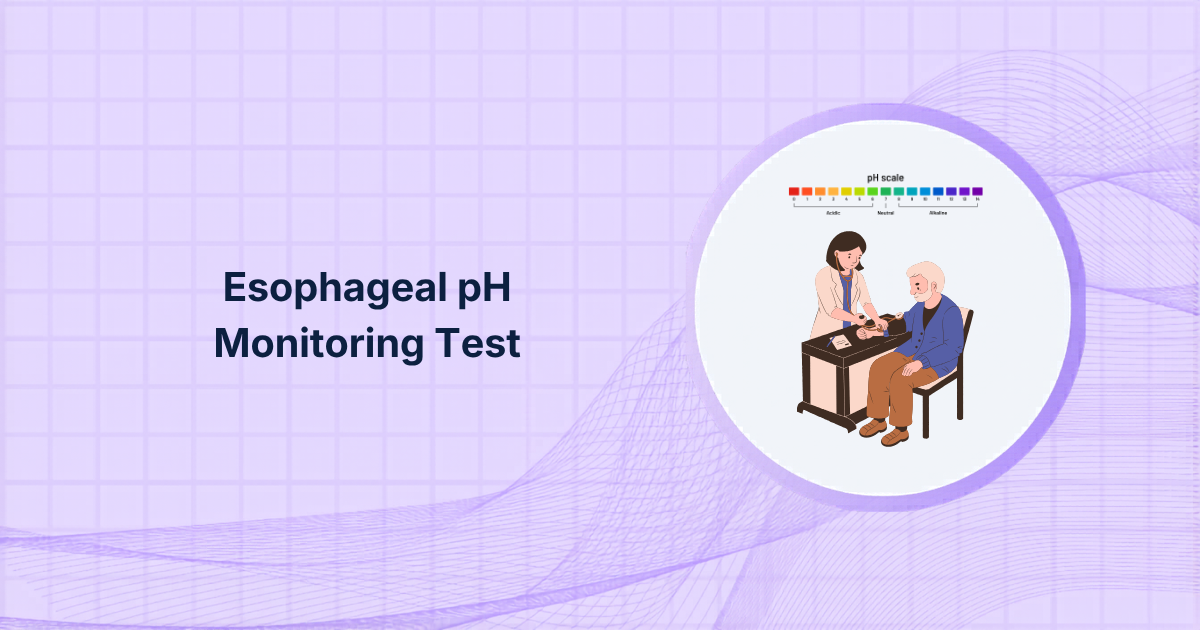
pH is a scale that measures how acidic or alkaline a substance is. A pH below 7 is acidic, and a pH above 7 is alkaline. The healthy esophagus should maintain a pH above 4. When stomach acid repeatedly drops that level below 4, it signals acid reflux.
Esophageal pH monitoring is considered the gold standard for diagnosing GERD. It provides direct, objective measurement of acid exposure in the esophagus and helps assess how severe the condition is.
Why Is This Test Done?
Your doctor may recommend esophageal pH monitoring for the following reasons:
- Confirm a GERD diagnosis when symptoms persist despite medication
- Evaluate unexplained chest pain, chronic cough, hoarseness, or sore throat
- Check if acid is reaching the throat area, a condition called laryngopharyngeal reflux (LPR)
- Assess how well acid-suppressing medicines such as proton pump inhibitors (PPIs) are working
- Evaluate a patient before anti-reflux surgery
- Monitor GERD in infants with excessive crying or poor feeding
What Are the Types of Esophageal pH Monitoring?
There are two main types of esophageal pH monitoring. Your doctor will recommend one based on your symptoms and medical history.
Catheter-Based pH Monitoring
A thin, flexible tube is passed through the nose and into the esophagus. A sensor on the tube records acid levels continuously for 24 hours. The tube connects to a small recorder worn on a shoulder strap. The patient goes home and continues normal daily activities while wearing the device.
This method is sometimes combined with impedance testing (MII-pH monitoring), which detects both acidic and non-acidic reflux. MII-pH monitoring is more accurate than pH testing alone for diagnosing GERD in patients with persistent symptoms.
Wireless Capsule pH Monitoring (Bravo System)
A small capsule is attached to the esophagus wall using an endoscope (a thin camera tube). The capsule sends acid readings wirelessly to a recorder worn on the wrist or belt. Monitoring lasts 48 to 96 hours. After 4 to 10 days, the capsule detaches on its own and passes out of the body naturally.
The Bravo system is more comfortable for most patients since there is no tube protruding from the nose. It also captures more acid events over a longer period, improving test accuracy.
How Should You Prepare for the Test?
Follow these steps before your esophageal pH monitoring test:
- Stop eating and drinking for 4 to 6 hours before the test
- Avoid smoking, alcohol, and acidic foods or beverages such as citrus juice and soft drinks
- Stop taking antacids, proton pump inhibitors (PPIs), and H2 blockers 24 hours to 2 weeks before the test, as directed by your doctor
- Tell your doctor if you have a pacemaker or implantable heart defibrillator
- Inform your doctor of any previous nasal surgery, trauma, or bleeding problems
- Do not stop any medication without your doctor's specific guidance
What Happens During the Procedure?
Catheter Test: Step-by-Step
- The doctor inserts a thin plastic tube through one nostril
- You sip water to help swallow the tube down into the esophagus
- The tube is positioned 5 cm above the lower esophageal sphincter (LES), the muscle at the bottom of the esophagus
- The tube connects to a portable recorder worn over the shoulder
- Probe placement takes about 10 minutes and does not require sedation
- You return home and continue normal activities for 24 hours
- You keep a diary logging meals, sleep times, and any symptoms
- The next day, you return to have the tube removed and the data downloaded
Wireless Capsule (Bravo) Test: Step-by-Step
- A light sedative is given to keep you comfortable
- An endoscope is inserted through the mouth and into the esophagus
- The capsule is clipped to the esophagus wall and the endoscope is removed
- The capsule transmits acid data to a recorder worn on a belt or wrist
- Monitoring continues for 48 to 96 hours
- You maintain a diary of your diet, symptoms, and activity
- Plan for someone to drive you home after the procedure due to sedation
What Do the Results Mean?
After the test, the recorded data is downloaded to a computer and analyzed. The diary you kept helps your doctor connect acid events with your symptoms.
Normal Results
A normal result means acid levels in the esophagus stay within the expected range. The pH rarely drops below 4, and acid clears from the esophagus quickly. This suggests acid reflux is not the cause of your symptoms.
Abnormal Results
A pH reading below 4 indicates high acid exposure in the esophagus. Abnormal results may point to:
- GERD (gastroesophageal reflux disease)
- Laryngopharyngeal reflux (LPR), where acid reaches the throat
- Esophagitis (inflammation of the esophagus lining)
- Inadequate response to current acid-suppressing medications
Normal value ranges can vary slightly between laboratories. Always discuss your specific results with your doctor.
What Are the Risks and Side Effects?
Esophageal pH monitoring is generally safe. Side effects are mild and temporary.
Catheter Test Side Effects
- Mild discomfort or gagging sensation when the tube is inserted
- Sore or irritated throat during the 24-hour monitoring period
- Occasional nosebleed (rare)
Wireless Capsule (Bravo) Side Effects
- Mild chest discomfort or difficulty swallowing during monitoring
- Sore throat after endoscopy
- Capsule malfunction or early detachment (rare)
- Important: You cannot have an MRI scan within 30 days of the Bravo test, as the capsule contains a magnet
Conclusion
Esophageal pH monitoring is a highly accurate and well-tolerated test for diagnosing acid reflux and GERD. Whether performed with a catheter or the wireless Bravo capsule, the test gives your doctor objective data to guide treatment decisions.
If you are experiencing ongoing heartburn, chest discomfort, unexplained cough, or hoarseness, this test can provide clarity. Proper preparation and keeping a thorough diary during the test period are key to getting accurate results.
Always work with your gastroenterologist to choose the right type of monitoring and to understand what your results mean for your specific situation.